
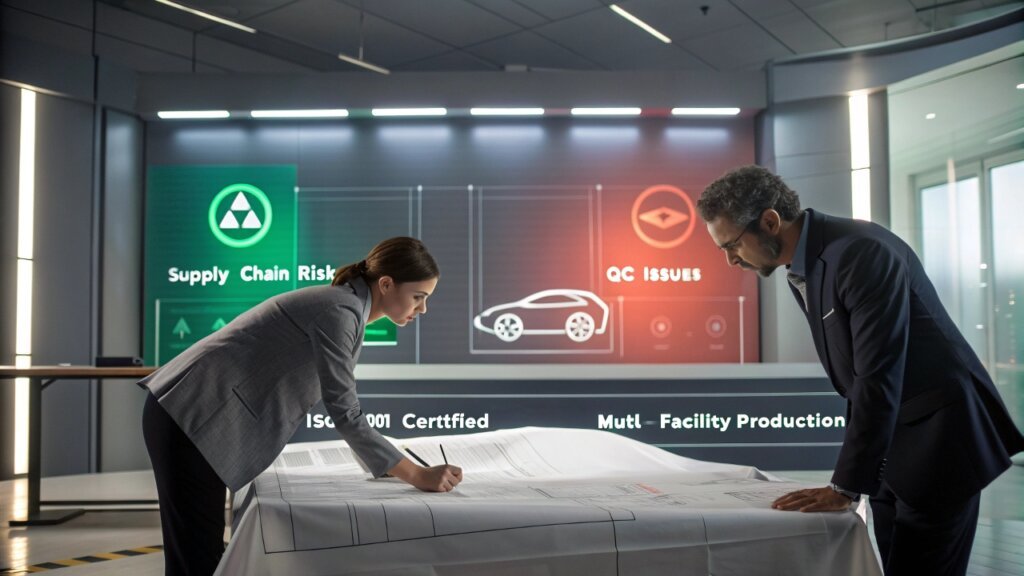
You found a manufacturer with a rock-bottom price, but now you're facing communication blackouts, missed deadlines, and poor quality. This partnership is costing you more than you saved.
Key red flags include poor communication, no verifiable quality certifications (like ISO 9001), an inflexible supply chain, a refusal to sign an NDA, and an inability to offer design collaboration (ODM). Choosing a partner who avoids these pitfalls is critical for your brand’s success.
Over the past two decades, I’ve spoken with countless brand owners who felt trapped by a bad manufacturing partnership. They were lured in by an unbeatable price, only to discover that the true cost was paid in angry customers, damaged inventory, and a tarnished brand reputation. Choosing a manufacturer is the single most important decision you'll make for your physical product brand. It's not just about sourcing a product; it's about building a reliable foundation for your business growth. A great partner acts as an extension of your own team. Let’s walk through the critical warning signs to watch for so you can build that strong foundation.
Is Focusing Only on Price Blinding You to a Factory's Real Capabilities?
You've got a great quote, but the factory is vague about its quality control and can't handle your rush order. The low price is meaningless if the product is unusable or late.
Look beyond the quote. A factory's true value lies in its production capabilities: verified quality systems (ISO 9001), real production capacity, modern equipment, and rapid R&D that can keep up with your brand.
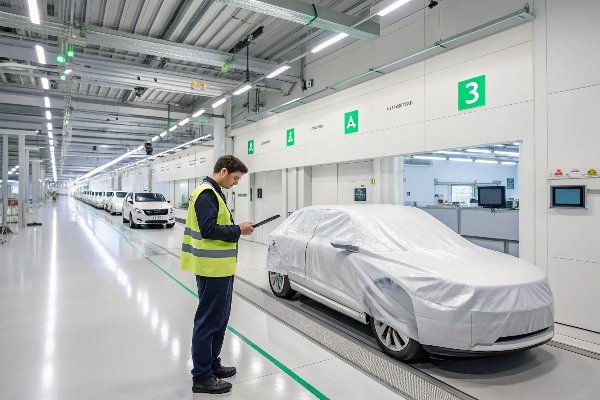
The number one red flag is a potential partner who only wants to talk about price. A low price is often a sign of cut corners elsewhere. When evaluating a factory, you need to dig deeper and ask for proof of their capabilities. Can they show you their ISO 9001 certification? What does their quality inspection process actually look like, from raw materials to finished goods? We believe in total transparency, which is why we welcome audits of our quality control systems. A serious partner should also be open about their real capacity. Our Henan facility can produce 500,000 units per month, a figure we can back up with production records. This capability, combined with a 12-hour emergency order start, means we can scale with you and handle unexpected demand. A cheap price from a small, uncertified workshop is not a bargain; it's a liability.
| Red Flag 🚩 | Green Flag (What to Look For) ✅ |
|---|---|
| Vague quality claims | Verifiable ISO 9001 certification and a clear QC process |
| Unclear production limits | Stated monthly capacity and proven ability to handle large orders |
| Slow sample turnaround | Rapid prototyping capabilities (e.g., our 24-hour technical patterning) |
Is Your Entire Business at Risk with a Single-Source Supply Chain?
Your factory is based in one location. Suddenly, new trade tariffs or a local shutdown bring your entire production to a halt, leaving you with no inventory to sell.
A modern supply chain must be diversified. A manufacturing partner with facilities in multiple countries (like our China + Indonesia model) protects you from trade risks, shipping delays, and regional disruptions.

In today’s world, having all your manufacturing eggs in one basket is a massive, unnecessary risk. A red flag is a supplier who dismisses concerns about supply chain resilience. A geopolitical shift, a natural disaster, or a pandemic lockdown can instantly cripple a single-location factory, and by extension, your business. We recognized this threat early on. While our core manufacturing and R&D are in China (Guangzhou and Henan), we strategically established a production base in Indonesia. This isn't just a backup; it's a core part of our strategy. It provides a crucial hedge against trade risks and ensures compliance with ever-changing European and American import standards like REACH and CPSIA. For our B2B clients, this dual-country model means security and continuity. If one channel faces a bottleneck, we can pivot production to another, ensuring your orders are still filled on time. It transforms the supply chain from a point of weakness into a competitive advantage.
OEM or ODM: Are You Choosing the Right Partnership Model for Your Brand's Future?
You have a great idea for a new product feature, but your factory can only produce from your exact specs. Your brand can't innovate, and you're stuck selling me-too products.
This is the classic OEM (Original Equipment Manufacturer) trap. A true growth partner offers ODM (Original Design Manufacturer) services, collaborating with you to develop new materials, patterns, and features that set your brand apart.
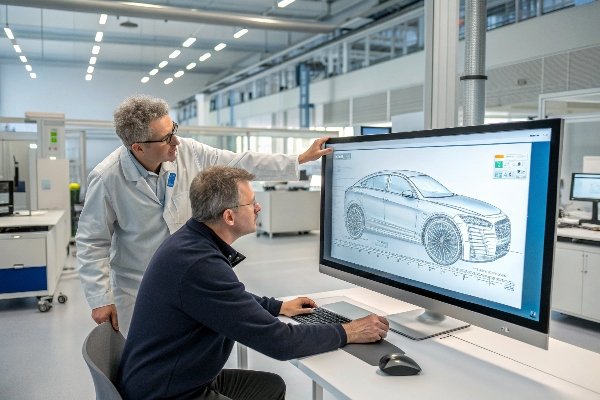
When interviewing potential manufacturers, listen carefully to how they talk about product development. If they only ask for your tech pack and drawings, they are an OEM. This is a red flag if you have ambitions to innovate. An OEM is a pair of hands; they can execute your existing designs. An ODM partner is a brain; they are a collaborator who brings their own expertise to the table. For emerging e-commerce brands, an ODM relationship is a massive accelerator. At our Guangzhou R&D center, our 200 engineers don't just wait for instructions. We actively develop new functional fabrics, create unique patterns for new vehicle models, and advise our partners on design improvements that can reduce cost or improve performance. Choosing an ODM partner means you're not just buying a product; you're gaining an entire R&D department. This is how you create a truly unique custom product line and build a defensible moat around your brand.
Conclusion
Choosing the right manufacturer is about finding a partner, not just a supplier. By avoiding these red flags, you can secure a relationship that provides quality, reliability, and a powerful competitive advantage for your brand.
