

Nothing hurts an online brand more than returns. A customer orders a cover, it doesn't fit, and you're stuck with angry feedback and the cost of return shipping.
The right size motorcycle cover depends on the bike's category (Sport, Cruiser, Touring) and its key dimensions: overall length, width, and height. Providing a clear size chart and measurement guide is the best way to reduce customer errors and costly returns.
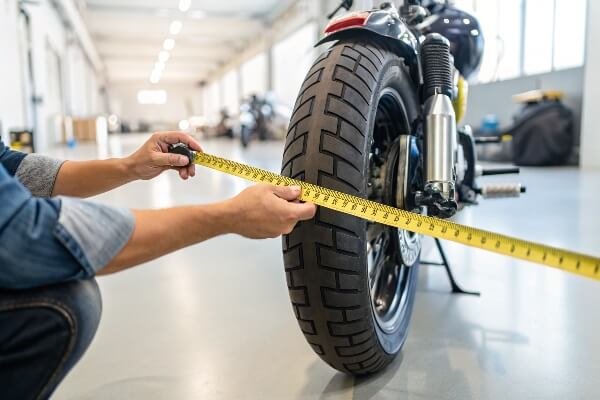
For years, I've watched brands struggle with this problem. Sizing is the number one reason for returns in the motorcycle cover business. It's a frustrating experience for the end customer and a direct hit to your bottom line. The solution isn't just to sell more covers; it's to sell the right cover the first time. As a manufacturing partner, I believe it's our job to provide you with the tools and knowledge to help your customers make the right choice. A little bit of guidance on your product page can make a huge difference, turning a potentially negative experience into a positive one and building loyalty for your brand.
How Can a Simple Motorcycle Cover Size Chart Reduce Returns?
Customers see options like "Large" or "X-Large" and are forced to guess. This guesswork leads to wrong orders, frustrated customers, and negative reviews that hurt your brand's credibility.
A clear motorcycle cover size chart is your first line of defense. By connecting generic sizes to specific motorcycle styles and lengths, you give customers a simple, fast way to find the right fit.
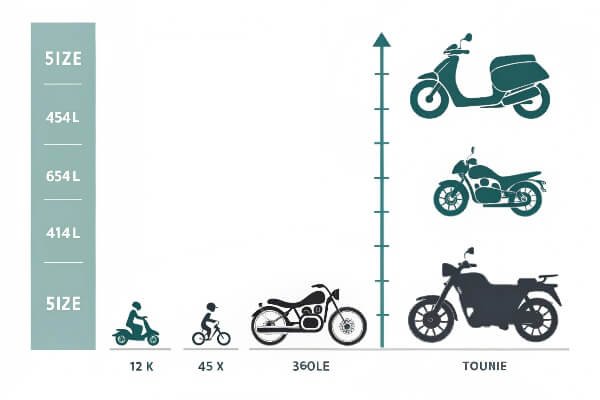
A good size chart a bridges the gap between a customer's bike and your product line. Most motorcycle owners know what type of bike they have (e.g., a sportbike or a cruiser) and can easily find its length online. By presenting this information in a simple table, you eliminate the biggest point of confusion. We've developed a general guide that has proven effective for our partners. It's designed to be an easy reference that you can place directly on your product pages. While it's not a perfect solution for every modified bike, this chart will successfully guide the vast majority of your customers to the correct purchase, immediately cutting down on your return rate and reducing the burden on your customer service team. It’s the simplest, most effective tool to start with.
| Cover Size | Motorcycle Type | Typical Length (Inches) |
|---|---|---|
| M | Sportbikes, Scooters | Up to 80" |
| L | Standard, Sportsters | Up to 90" |
| XL | Cruisers, Adventure (ADV) | Up to 98" |
| XXL | Full-Dress Tourers (e.g., Street Glide) | Up to 104" |
| XXXL | Large Tourers (e.g., Goldwing) | Up to 110" |
So, What Size Motorcycle Cover Do I Need If My Bike Is Modified?
A customer uses your size chart but their bike has a tall windscreen or wide saddlebags. The cover they bought is too short or too tight, leading to another frustrating return.
The solution is to teach them how to measure. A final check of the bike's three key dimensions—length, width, and height—is the only way to guarantee a perfect fit for a modified motorcycle.
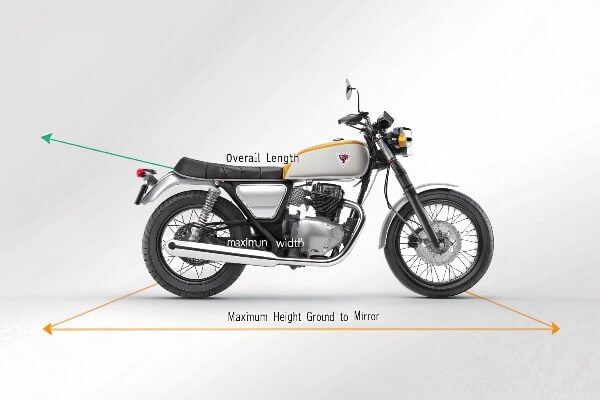
Accessories completely change a motorcycle's profile. A stock Harley-Davidson Sportster might fit a Large, but add a tall sissy bar and ape hangers, and it will need an XL or even larger. To fully solve the "what size motorcycle cover do i need" question for these customers, you need to empower them with a simple measurement guide. We advise our partners to include a small graphic or video explaining these three steps:
- Total Length: Measure in a straight line from the very front of the front tire to the very back of the rear wheel, fender, or any accessory that sticks out.
- Maximum Width: Measure across the widest part of the bike. This is usually the ends of the handlebars or the outside edges of hard saddlebags. This ensures the cover isn't stretched too tight.
- Maximum Height: Measure from the ground to the highest point of the bike. This is often the top of the mirrors or a custom windscreen. This ensures the cover is long enough to cover the wheels completely.
By providing these simple instructions, you position your brand as a helpful expert and give customers the confidence that they are ordering the exact right size.
How Should a Motorcycle Cover Fit to Offer the Best Protection?
Even with the correct "size," a generic cover can fit poorly. It might be too baggy, flapping in the wind and scuffing the paint, or too tight in certain spots, putting stress on the seams.
A great fit is snug but not stretched. The cover should follow the bike's contours without being tight, and the elastic hem should sit securely below the engine cases and exhaust pipes.
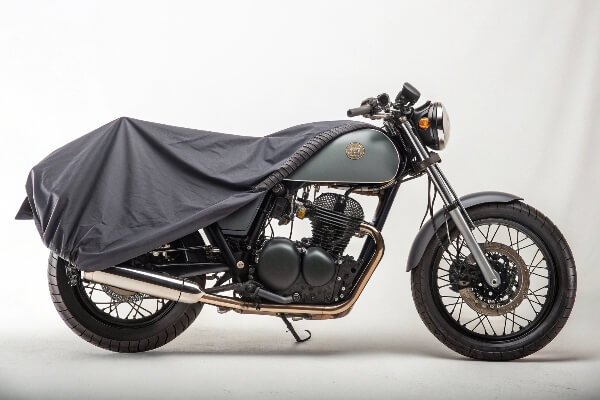
The question of "how should a motorcycle cover fit" is about more than just dimensions; it's about the shape, or what we call the pattern. Every type of motorcycle has a unique geometry. A sportbike is compact with a high tail, while a cruiser is long and low with wide bars. A touring bike is massive, with a huge fairing and built-in luggage. This is why a simple S/M/L/XL system will always have limitations. For brands that want to offer the absolute best customer experience, the solution is model-specific covers. At our technical center, we maintain a massive database of patterns for the world's most popular motorcycles, from Honda Goldwings to Harley-Davidson tourers. By working with us, you can offer your customers a cover that is not just the right size, but the right shape. This guaranteed-fit approach is a powerful competitive advantage that nearly eliminates returns and builds a reputation for quality and precision. It's the ultimate answer when a customer asks for the perfect custom motorcycle cover.
Conclusion
Stop letting sizing problems hurt your business. By providing clear size charts, simple measurement guides, and model-specific options, you can reduce returns, build customer trust, and establish your brand as a market leader.
