
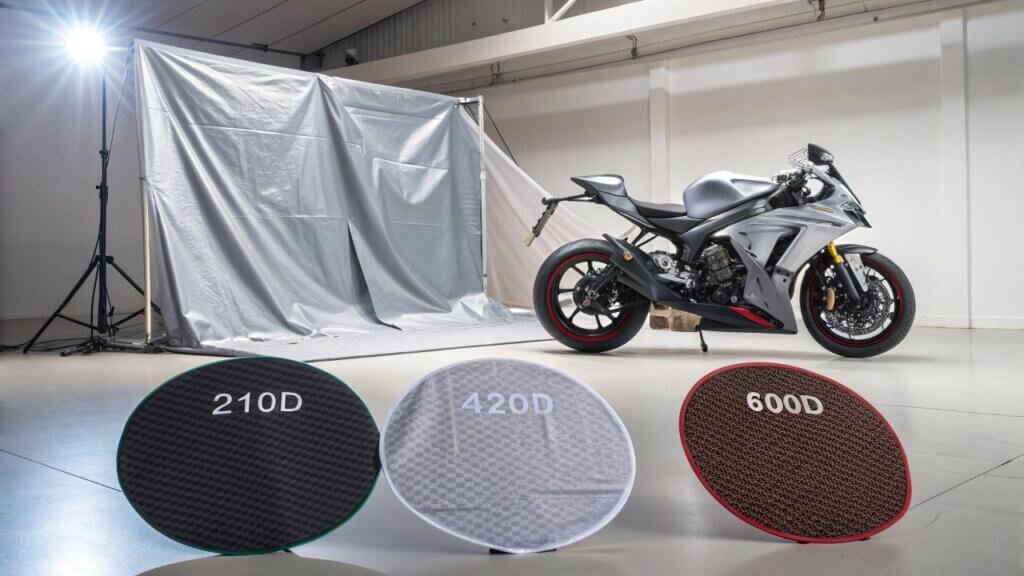
Choosing the wrong fabric leads to returns and damages your brand. Selecting the right one balances cost with quality, but finding that sweet spot is tough. Understanding materials is key.
To choose the right motorcycle cover material, match the fabric's Denier (e.g., 210D, 420D, 600D Oxford) and coating to your brand's target market. Higher Denier offers heavy-duty durability for premium lines, while lower Denier provides a cost-effective, waterproof solution for entry-level products.
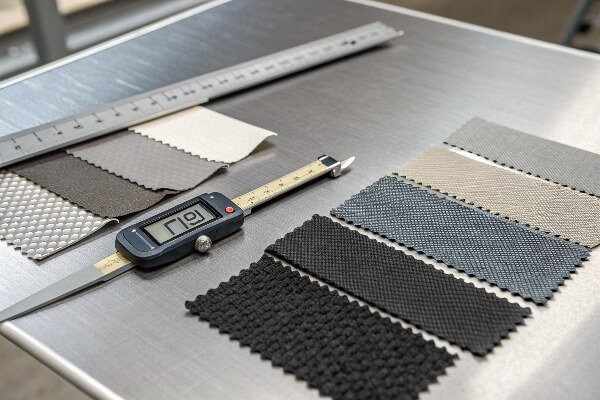
The material you choose is the single most important factor determining a motorcycle cover's performance, durability, and final cost. For a B2B brand like yours, this choice directly impacts customer satisfaction, your brand's reputation, and your profit margins. Picking a fabric isn't just a technical decision; it's a strategic one. Get it right, and you create a product that customers love and trust. Get it wrong, and you're stuck with inventory that fails to meet expectations. Let's break down the options so you can select the perfect material with confidence.
What's the Real Difference Between 210D, 420D, and 600D Oxford Fabric?
You see these numbers everywhere, but what do they mean for performance and cost? Choosing blindly for your motorcycle cover line is a common and expensive mistake.
The "D" stands for Denier—a measure of thread thickness and density. A higher number like 600D means a thicker, more durable fabric, ideal for a heavy duty motorcycle cover. Lower numbers like 210D are lighter and more cost-effective but offer less tear resistance.
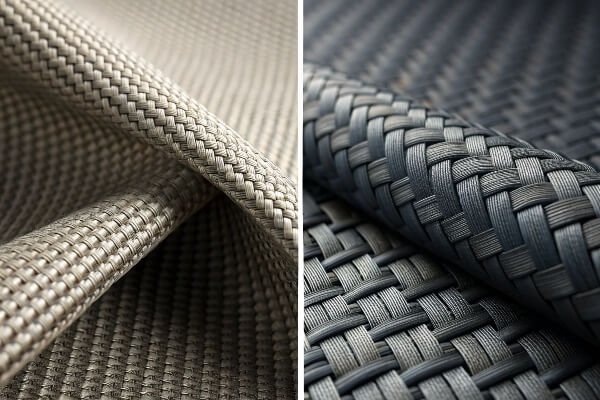
Denier is the starting point for understanding fabric quality. It tells you the weight and thickness of the fiber used to weave the cloth. Think of it as a scale of robustness. A 210D Oxford fabric is lightweight and packs down small, making it great for occasional use or travel covers where convenience is key. As you move up to 420D, you get a significant boost in tear and abrasion resistance, hitting a sweet spot for mid-range products. At the top, 600D Oxford is the standard for premium, all-weather protection. It's built to withstand daily exposure to sun, rain, and wind. At MeetCover, we ensure every material, regardless of its Denier, is engineered to meet our strict four-fold protection standards for waterproofing, UV resistance, and durability.
| Fabric Type | Key Characteristic | Best For |
|---|---|---|
| 210D Oxford | Lightweight & Cost-Effective | Entry-level or indoor storage covers |
| 420D Oxford | Balanced Durability & Value | Mid-range, all-purpose covers |
| 600D Oxford | Heavy-Duty & Maximum Protection | Premium, all-weather outdoor covers |
How Can You Match the Right Fabric to Your Brand's Price Point?
Want to offer a premium product without the premium cost getting out of control? Choosing the right material is the secret. The wrong choice can destroy your margins or cheapen your brand.
For a premium "heavy duty motorcycle cover," a PU-coated 600D Oxford is the clear choice. For mid-range products, 420D offers the best balance of quality and cost. For entry-level lines, 210D or PEVA provides an excellent and cost-effective waterproof motorcycle cover solution.

Matching the material to your brand's positioning is critical for success. You wouldn't put a budget material on a premium product, and over-engineering an entry-level cover will price you out of the market. This is the art of balancing performance and cost. For a high-end brand focused on rugged, long-lasting protection, the slightly higher cost of a thick 600D fabric is a worthwhile investment that justifies a higher retail price. For an e-commerce brand targeting the mass market, a 210D or 420D fabric provides the reliable, waterproof protection customers expect at a competitive price. Because of our global sourcing network and large-scale manufacturing, we can offer these superior motorcycle cover materials at a leading cost, allowing you to maximize quality without sacrificing your profit margin.
What Innovations in Materials Can Set Your Brand Apart?
The market is crowded with standard covers. You're looking for a unique feature to make your product stand out, but material innovation seems complex and expensive.
Look beyond standard polyesters. Advanced functional fabrics, like those with soft, anti-static inner linings or four-way stretch capabilities, solve specific customer problems. These innovations can become your brand’s key selling point, justifying a premium price.
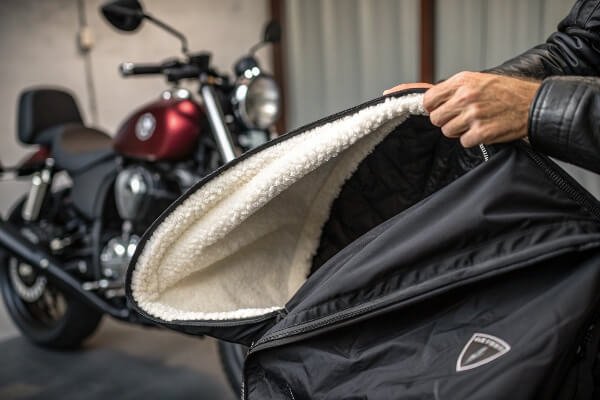
Success in today's market often comes from differentiation. While everyone else focuses on just being waterproof, you can capture a niche by focusing on total protection. This is where material innovation comes into play. Our Guangzhou R&D center specializes in developing functional fabrics that address unmet needs. For example, owners of classic or custom bikes worry about their paint. A cover with an ultra-soft, breathable, and anti-static inner lining prevents micro-scratches and condensation buildup, offering peace of mind that a standard cover cannot. Similarly, for indoor dust protection, a four-way stretch fabric provides a sleek, form-fitting look that appeals to enthusiasts who store their bikes in garages or showrooms. By incorporating these advanced materials, you can elevate your product from a simple accessory to a piece of essential gear, giving you a powerful advantage over competitors.
Conclusion
Choosing the right material is a strategic decision. By matching the fabric's properties and cost to your brand's goals, you can create a superior product that resonates with customers and drives sales. Contact our team for free samples and a custom consultation.
